
In the realm of personal finance and business management, digital tools continue to transform how people interact with financial data. One such increasingly popular tool is the bank statement maker, a digital solution that allows users to create customizable bank statements for a variety of legitimate purposes. This tool has gained traction among individuals, educators, and professionals who need fast, accurate, and personalized representations of financial information without relying on official bank-issued documents.
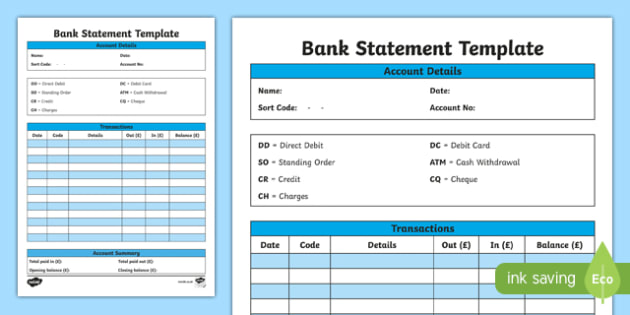
A bank statement maker enables users to input detailed transaction data—including deposits, withdrawals, dates, payees, and account balances—to generate a formatted statement that closely resembles authentic bank statements. These generated statements are not intended to replace official bank records but can serve a wide range of constructive purposes. For example, someone preparing for a financial presentation may need mock statements to illustrate cash flow, while an educator might use sample statements to teach students how to interpret financial documents effectively. The speed and convenience of creating these documents make bank statement makers a valuable asset for time-sensitive scenarios.
Professionals in the software development and fintech industries also rely heavily on these tools. When designing and testing financial applications, developers need sample data to evaluate how their systems handle bank transactions, balances, and formatting. A bank statement maker offers a safe and efficient way to simulate real-world banking data without exposing actual personal or client information. Similarly, small business owners or freelancers may use generated statements during internal financial planning or when creating proposals that require demonstration of financial patterns.
The customization options available in most bank statement maker tools are a key factor in their appeal. Users can typically choose from various bank templates, input specific dates, select different currencies, and include realistic transaction descriptions. This flexibility allows the user to tailor each document to a specific need, whether for educational demonstrations, internal records, or planning purposes. The result is a professional-looking statement that closely mirrors the structure of a real one, which is especially useful when an official statement is not yet available or is difficult to obtain.
Despite the practical benefits of a bank statement maker, users must remain aware of the ethical and legal boundaries surrounding its use. While it is perfectly acceptable to generate statements for learning, software testing, or personal planning, using them to misrepresent financial status or deceive institutions is illegal and can lead to serious consequences. Transparency and integrity are crucial when working with any tool that replicates sensitive documents, especially financial ones.
In conclusion, a bank statement maker is a modern, digital tool designed to meet the growing demands of individuals and professionals who require accurate and customizable financial representations. Its usefulness spans across education, development, business, and planning, offering both convenience and functionality. When used responsibly and for legitimate purposes, it becomes an indispensable resource in today’s fast-evolving financial landscape.