
The Art and Science of Car Painting: Enhancing Vehicle Beauty and Protection
When it comes to maintaining the appearance and value of a vehicle, car painting is a crucial aspect that goes beyond simple aesthetics. Car painting is both an art and a science, involving the application of specialized paints and techniques to protect the vehicle’s body while providing a stunning finish. Whether it’s restoring a scratched door, changing the entire color, or adding custom designs, the process of car painting requires skill, precision, and knowledge of materials to achieve the best results.
A fresh coat of paint does more than just enhance a vehicle’s look—it serves as a protective barrier against the elements. Cars are exposed daily to sunlight, rain, dirt, road salt, and other environmental hazards that can corrode the metal body and damage the finish. Quality car painting uses durable paints combined with primers and clear coats that shield the vehicle from rust, UV rays, and minor abrasions. This protective layer is essential for preserving the integrity of the car’s exterior and maintaining its resale value.
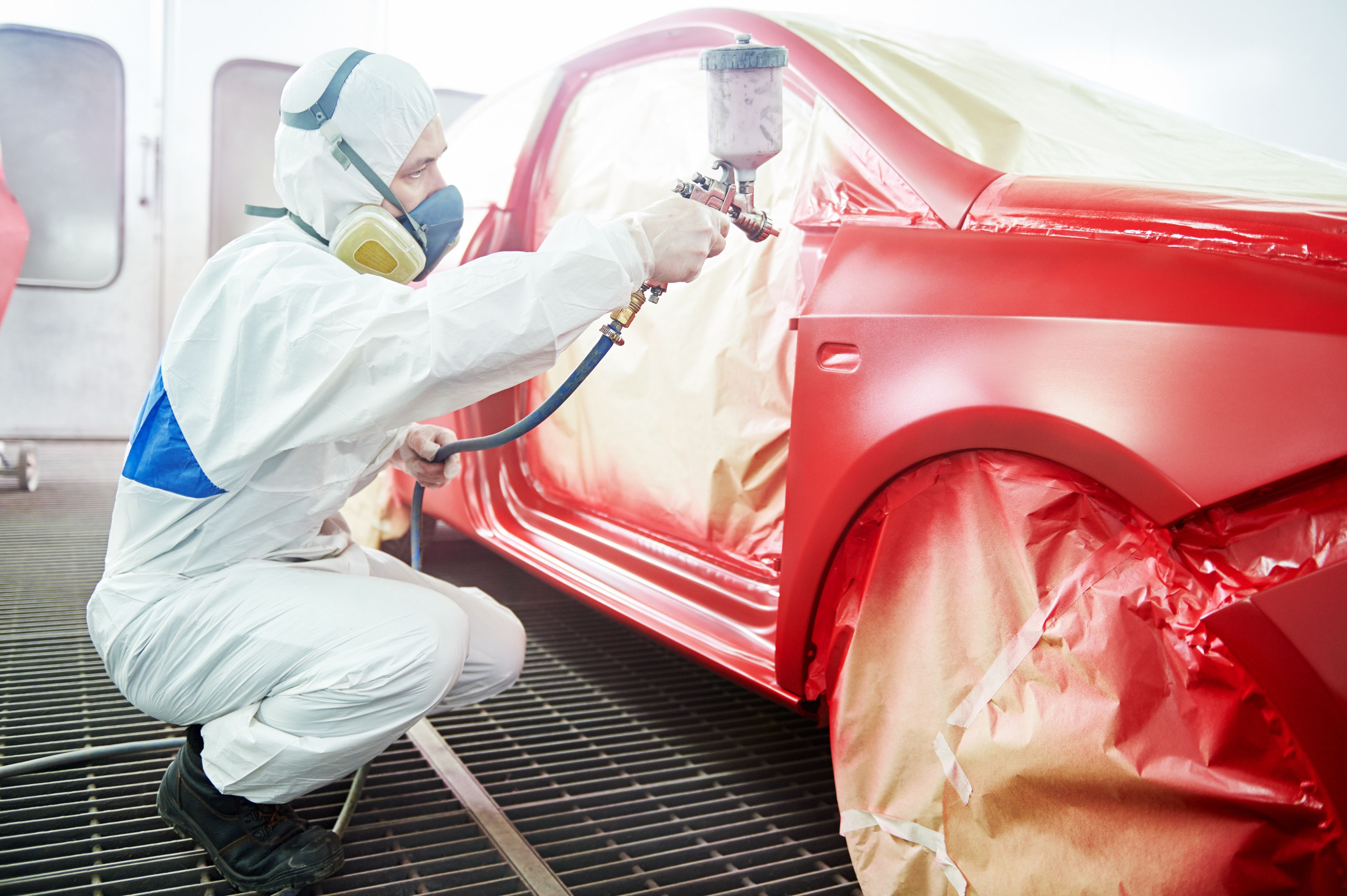
The process of car painting involves multiple steps that require expertise. First, the surface must be carefully prepared by cleaning, sanding, and removing any old paint or rust to ensure proper adhesion. Then, primers are applied to create a smooth base for the paint. The actual paint application typically involves multiple layers of color coats followed by a clear coat, which adds shine and durability. Professional painters use advanced tools such as spray guns and paint booths to control the environment, preventing dust and debris from compromising the finish. This attention to detail ensures a flawless, even coat that can last for years.
Advancements in car painting technology have greatly improved the quality and efficiency of the process. Today, many automotive paint shops use water-based paints that are less harmful to the environment than traditional solvent-based options. These eco-friendly paints produce fewer volatile organic compounds (VOCs), making the painting process safer for workers and reducing environmental impact. Additionally, modern paint formulations are designed to be more resistant to chipping, fading, and chemical damage, providing longer-lasting protection and appearance.
Customization is another exciting aspect of car painting that appeals to many vehicle owners. From vibrant colors to intricate patterns and graphics, car painting allows for personal expression and uniqueness. Custom paint jobs can transform a standard vehicle into a rolling work of art, reflecting the owner’s personality and style. Whether for show cars, promotional vehicles, or simply a fresh new look, custom car painting has become a popular trend in the automotive community.
In conclusion, car painting is an essential element of vehicle care that combines protection with aesthetics. It requires technical skill and artistic vision to achieve a finish that not only looks beautiful but also safeguards the vehicle from damage. With ongoing innovations in paint technology and techniques, car painting continues to evolve, offering car owners more durable, environmentally friendly, and visually stunning options than ever before.…